
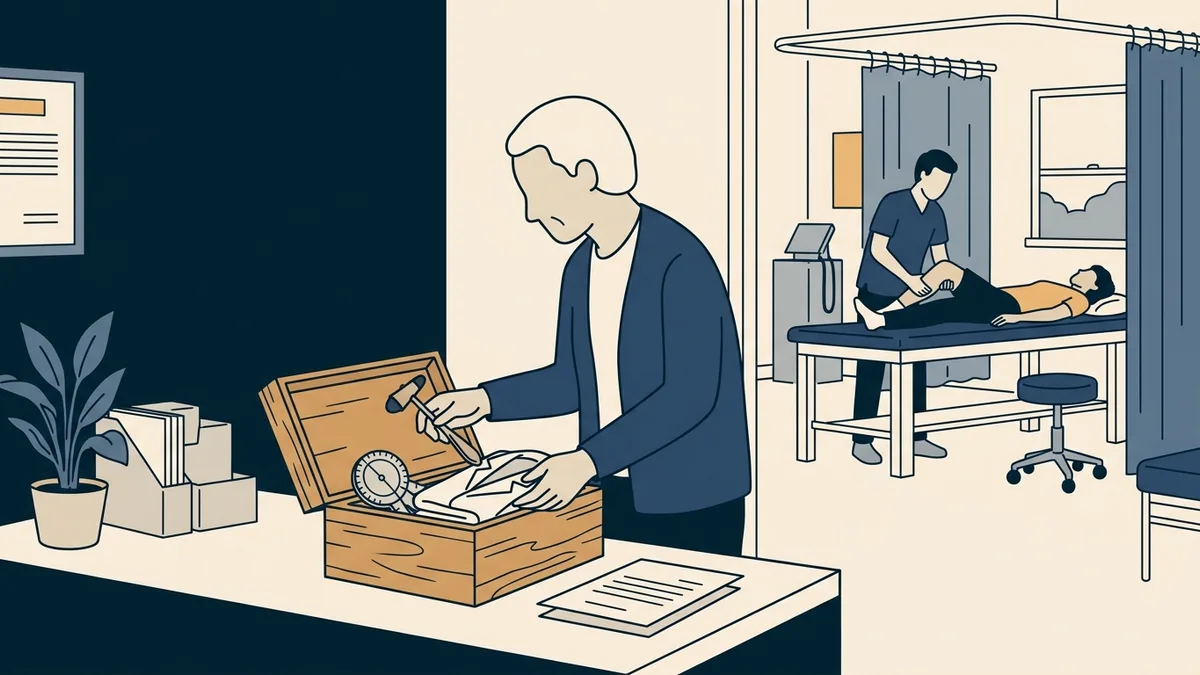
When winding down a PT career, inactive status is usually a requested pause with a defined path back, while a lapse is simply a license that was not renewed and may be harder to restore. Either way, compact privileges end when the home license stops being active, so finish work in other states first.
Retirement from physical therapy is rarely a single date. Many clinicians cut to part time, then PRN, then a handful of favors a year for former patients or colleagues. The license decisions along the way are easy to postpone and easy to get wrong, because letting a license lapse and placing it on inactive status sound alike and usually are not.
Inactive and lapsed are different choices
Many boards offer an inactive status for licensees who are not practicing but want to keep a way back. You request it, you generally may not practice while it is in effect, and the requirements to return are known in advance. A lapsed or expired license is what happens when renewal simply does not occur. The board approved no pause; the credential ran out. Returning from a lapse often involves more than returning from inactive status, and in some states it can look much like a new application.
Not every state uses the same terms, and some may not offer inactive status at all. Read your board's rules, and if the difference matters to you, ask the board which status fits your plans.
Leaving the profession for good, with no intention of returning, may point to letting the license expire at renewal. That is a legitimate choice. It is still worth making deliberately and in advance, not by an ignored renewal notice.
Privileges end with the home license
Every compact privilege depends on an active, unencumbered license in your home state. Whether the home license goes inactive or lapses, it stops supporting privileges, and all of them end together. That includes privileges with months left before their own expiration.
So if you are winding down while holding privileges for travel, telehealth or per diem work elsewhere, plan your last day of work in each state before you change the home license, and tell the employers relying on each privilege. A shift in another state the week after the home license goes inactive is unauthorized practice, even if your own notes still list the privilege as current.
Some clinicians keep a license in a single non-home state for a specific reason, such as occasional work near a second residence. That is a license, not a privilege, and it follows that state's rules. If you move in retirement, your home state changes with your residence.
A few loose ends
Volunteer and unpaid care often still counts as practice, so check before treating a neighbor or covering a free clinic on an inactive license. Keep your continuing education records and license history after you stop, since a return application will ask for them. Keep your address current with each board so final notices reach you, and treat professional liability coverage for past practice as its own question, separate from licensure.
Common questions
- What is the difference between an inactive and a lapsed PT license?
- Inactive status is usually requested from the board and comes with set requirements to return. A lapse happens when renewal does not occur, and returning can be more involved. Terms and options vary by state.
- What happens to my compact privileges if my home license goes inactive?
- They end, all at once, because privileges require an active, unencumbered home-state license. That includes privileges that still show months before expiration.
- Can I treat friends or volunteer on an inactive license?
- Be careful. Volunteer and unpaid care often still counts as practice under a state's practice act. Check with the board before treating anyone on an inactive or expired license.
- Should I keep records after I stop practicing?
- Yes. Keep your license history and continuing education records. If you ever return, a reactivation or reinstatement application will likely ask for them.
Need Help with Your Application?
We handle the PT licensure process end-to-end — eligibility screening, documents, board follow-ups, and tracking.